The evidence in brief: major health bodies do not recommend colon cleansing for “detoxification.” A healthy colon clears waste on its own, there is no good evidence that cleansing removes “toxins,” and colonic irrigation carries real risks — cramping, dehydration, electrolyte imbalance and, rarely, bowel injury. This guide explains the practice, the claims, the risks, and the safer, evidence-based ways to support digestive health.
Colon cleansing is heavily marketed to people looking to improve their overall well-being, with proponents claiming numerous health benefits. Those claims are not supported by good evidence, so it is essential to understand the real risks before considering any form of colon cleansing.
In this blog post, we will delve into the theory behind colon cleansing and explore various natural methods used by practitioners. We will also examine scientific research supporting or questioning the efficacy and safety of these techniques. Furthermore, we will discuss potential risks and side effects that one should be aware of when considering colon cleanses.
Finally, we’ll provide alternatives for improved digestive health and preventative measures against colon cancer so you can make informed decisions about maintaining your colon health in a safe manner while minimizing any possible harm from colon cleansing risks.
The Theory Behind Colon Cleansing

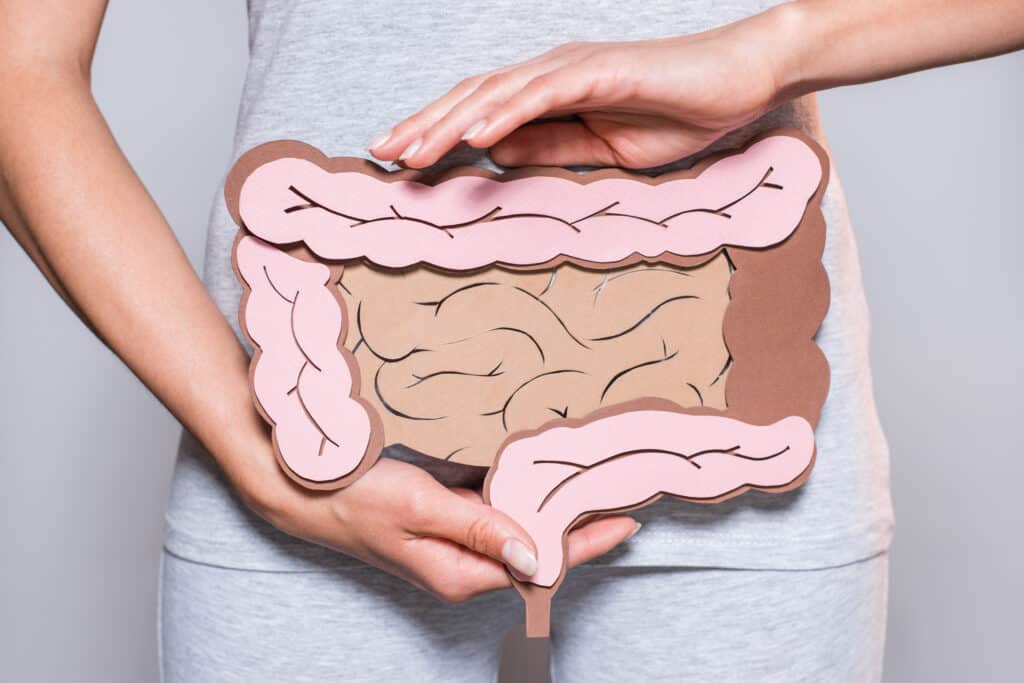
Colon cleansing is the process of flushing out your large intestine, typically using teas, enzymes, or colon irrigation. Advocates believe that it helps improve overall body function by removing toxins and waste buildup in the colon. In this section, we will discuss the reasoning behind natural colon cleansing and its proposed benefits.
Methods of Natural Colon Cleansing
- Herbal Teas: Some people use herbal teas containing ingredients like senna or cascara sagrada to stimulate bowel movements and cleanse their colons.
- Dietary Supplements: Over-the-counter supplements such as fiber powders or capsules can help promote regularity and maintain colon health.
- Oxygen-based Cleanse: Oxygen-based cleansers claim to break down impacted waste material within the colon through an oxidation process.
- Colonic Hydrotherapy/Colonic Irrigation: This procedure involves inserting a tube into the rectum to flush water through the large intestine. Practitioners are not medically regulated in most countries, and major health bodies do not recommend the procedure for “detox” purposes.
Proposed Benefits of Detoxifying The Colon
Fans of natural colon cleansing argue that it offers numerous health advantages. Some potential benefits include:
- Better digestion: By eliminating accumulated waste from your digestive system, proponents say you’ll experience improved nutrient absorption and reduced bloating or gas production.
- Increased energy: proponents claim that “removing toxins” leaves you more energetic — though your liver and kidneys already clear waste continuously without help.
- Weight loss: Some people claim that colon cleansing can help jumpstart weight loss by removing excess fecal matter from the digestive tract. However, any weight loss that results from colon cleansing is likely to be temporary and not a sustainable solution for healthy weight management.
- Improved immune function: some marketing suggests a “cleaner” colon frees up the immune system — a claim with no supporting evidence.
None of these proposed benefits holds up well under scrutiny. In the next section, we look at what published research actually shows.
Colon cleansing remains popular despite the absence of scientific support, so it is worth looking at the evidence directly.
Scientific Research on Colon Cleansing
Quality scientific research supporting claims about natural colon cleansing is lacking. The studies quoted by advocates are weak, while the strongest available review found no benefit and documented real harms. This section looks at that research directly.
What the Studies Quoted by Advocates Actually Show
A few small studies have suggested that fibre supplements and some laxative preparations can improve bowel function in people with constipation — but that is conventional constipation care, not evidence for “cleansing.” The studies most often quoted by cleanse advocates are small, short and lack control groups.
Some proponents argue that colonic hydrotherapy helps with bloating and gas. The pilot studies behind such claims are small and uncontrolled, and a peer-reviewed review in American Family Physician found no sound evidence that colon cleansing improves digestive symptoms or general health.
Research Questioning the Efficacy and Safety of These Methods
Critics argue that many colon cleanse methods are unnecessary at best and potentially harmful at worst. The human body has its own natural detoxification system through the liver, kidneys, skin, lungs, and lymphatic system; therefore making additional measures redundant.
- Lack of evidence: A systematic review in The American Journal of Gastroenterology found no methodologically rigorous trials supporting colonic cleansing for general health promotion, including claims about reducing colon cancer risk.
- Potential risks: The same review documented multiple case reports of serious harm from colonic cleansing — electrolyte imbalances, infections, and bowel perforations. These complications can be life-threatening.
- Negative impact on gut microbiota: Colon cleanses may also have a negative effect on the balance of good bacteria within your digestive system. A balanced gut microbiome is essential for the correct functioning of digestion, immunity, and overall wellness. Disrupting this delicate balance could potentially lead to long-term health issues such as irritable bowel syndrome (IBS) or inflammatory bowel diseases like Crohn’s disease and ulcerative colitis.
In light of these findings, it’s essential for individuals considering colon cleansing practices to weigh potential benefits against possible risks before making any decisions about their personal well-being.
The scientific research on colon cleansing is inconclusive, with studies both supporting and questioning its efficacy. Given the uncertain evidence, it is prudent to consider any potential hazards before engaging in colon cleansing.
Potential Risks and Side Effects
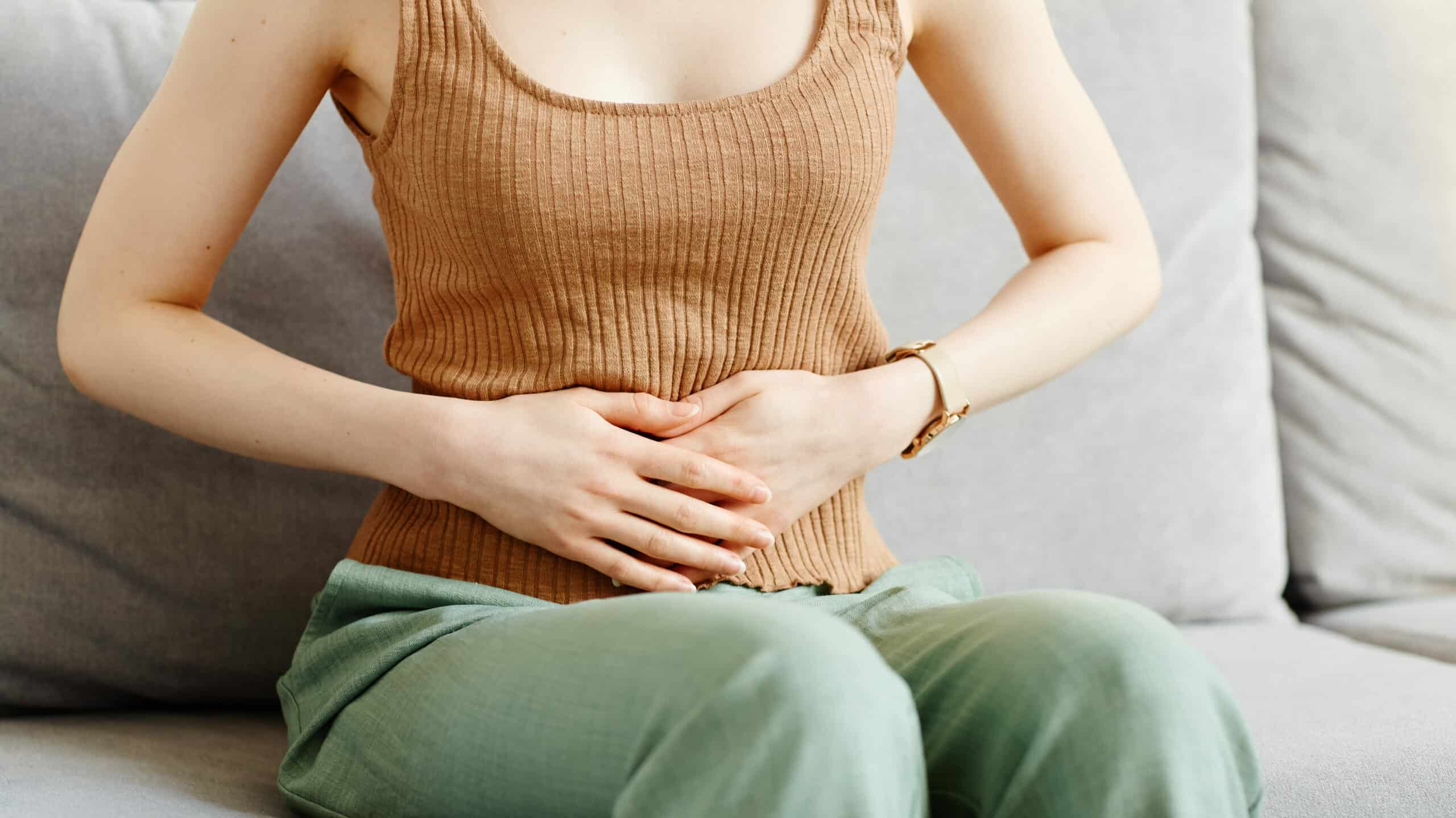
While some individuals may be drawn to the idea of natural colon cleanses for their purported health benefits, it is important to consider the potential risks and side effects associated with these practices. Common issues that may arise from engaging in a colon cleanse include dehydration, vomiting, nausea, cramps, and dizziness among others. In this section, we’ll explore possible adverse outcomes from participating in such practices as well as precautions to take if considering a cleanse.
Dehydration due to Fluid Loss during a Cleanse
One of the most common side effects of colon cleansing is dehydration. During the process of flushing out waste material from your large intestine through various methods like colonic hydrotherapy or coffee enemas, you also lose significant amounts of water. Dehydration can cause an imbalance of electrolytes in the body, which may lead to symptoms such as dizziness or more serious issues like kidney damage.
- Tip: If you decide to undergo a colon cleanse despite its potential risks, make sure you drink plenty of fluids before and after the procedure. Staying hydrated will help minimize any negative consequences related to fluid loss.
Gastrointestinal Discomforts like Cramping or Diarrhea
In addition to dehydration concerns mentioned above, there are other gastrointestinal discomforts one might experience while undergoing natural colon cleansing procedures including cramping diarrhea constipation bloating gas pains. These unpleasant sensations often occur because the body’s digestive system isn’t accustomed to the sudden influx of substances used during treatment whether they’re herbal concoctions or powerful laxatives administered via irrigation devices.
Irritable Bowel Syndrome (IBS) and Inflammatory Bowel Disease (IBD)
Individuals with pre-existing gastrointestinal conditions such as Irritable Bowel Syndrome (IBS) or inflammatory bowel diseases like Crohn’s disease and ulcerative colitis should exercise caution when considering a colon cleanse. These procedures may exacerbate symptoms, leading to increased pain and discomfort.
Prior Colon Surgery or Health Problems
It is essential to consult a healthcare professional before attempting any form of colon cleansing, particularly if you have had colon surgery or live with a digestive condition. In these situations a cleanse can worsen symptoms and, in serious cases, damage or perforate the intestinal wall.
In conclusion, while natural colon cleanses might seem like an appealing option for those seeking improved well-being through detoxification methods one must weigh potential risks and side effects against perceived benefits. By understanding possible adverse outcomes associated with engaging in such activities and taking necessary precautions if choosing to pursue them, individuals can make informed decisions regarding their overall wellness journey.
It is essential to be cognizant of the potential hazards and adverse reactions connected with colon purifying, as they may have grave repercussions. However, there are alternatives that may provide improved digestive health without such risk.
Alternatives for Improved Digestive Health
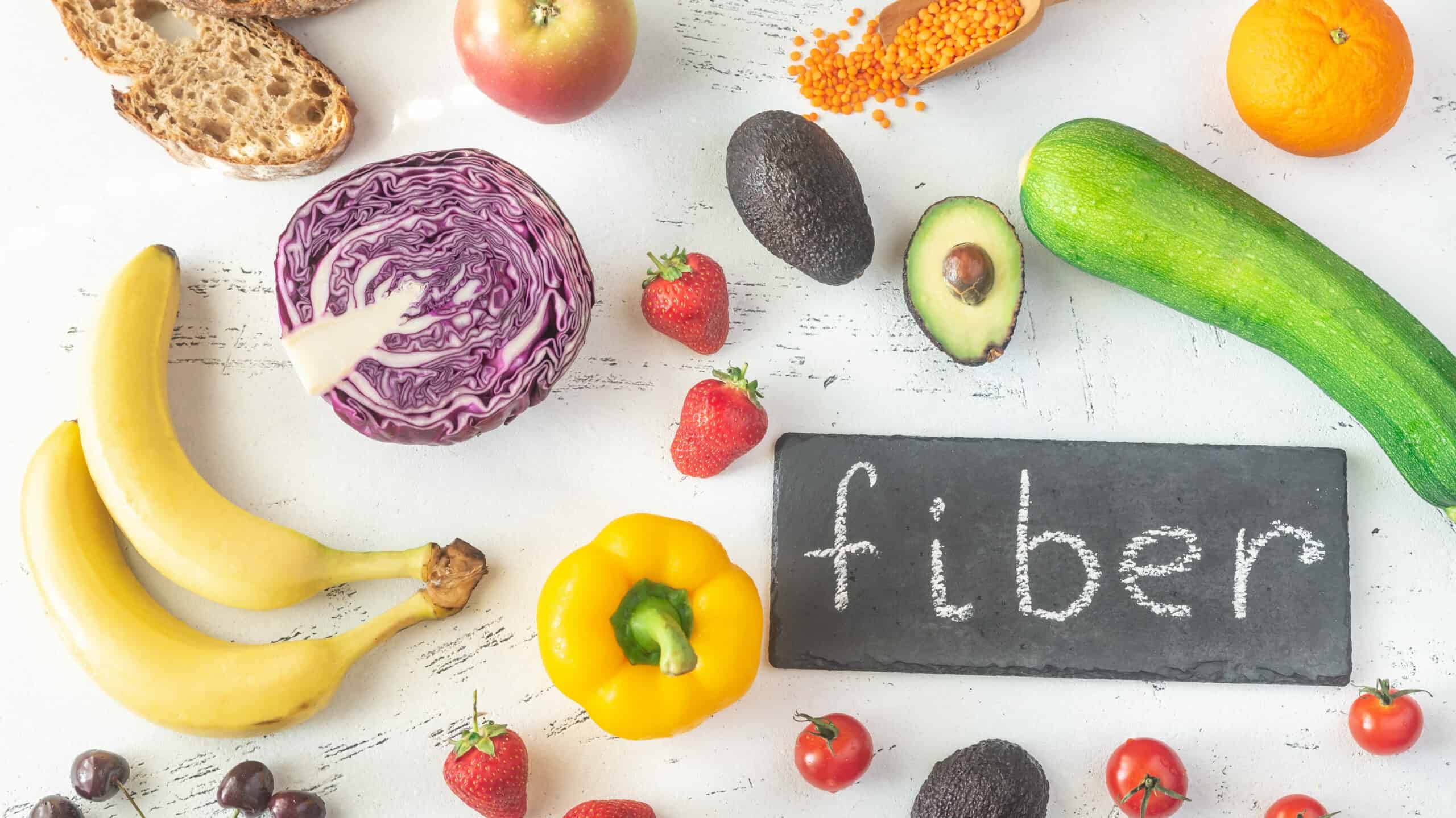
There are alternative ways to maintain digestive health without resorting to potentially risky procedures like natural colonic cleanses. These approaches focus on lifestyle changes, including diet modifications and exercise routines, which can aid digestion naturally while minimizing risk factors involved in invasive treatments themselves. In this section, we shall look at healthier alternatives worth exploring instead.
Incorporating Fiber-Rich Foods into Your Diet for Better Digestion
Including fiber in your daily diet can aid regularity and help stave off constipation. By consuming fiber-rich foods daily, you can support your digestive system and maintain colon health without the need for colon cleansing products or procedures. Some excellent sources of dietary fiber include:
- Fruits: apples, pears, berries, oranges.
- Vegetables: broccoli, Brussels sprouts, carrots.
- Legumes: beans (black beans), lentils (red lentils).
- Nuts & seeds: almonds(flaxseeds).
- Whole grains: brown rice(whole wheat bread).
Staying Hydrated Throughout Day-to-Day Activities
Staying hydrated by drinking enough water throughout the day is crucial for overall well-being and plays a significant role in maintaining good digestive health. Water helps soften stool consistency making it easier to pass through the colon, thus reducing chances of developing conditions such as irritable bowel syndrome(IBS)or ulcerative colitis – which may lead some individuals towards seeking out colon cleansing methods as relief options. To ensure you’re getting enough fluids daily, follow these tips:
- Consume at least eight glasses of water daily to ensure adequate hydration and supplement with water-rich fruits and vegetables such as cucumber, celery, or watermelon.
- Avoid excessive caffeine intake from coffee or energy drinks that can dehydrate the body.
Incorporating these simple yet effective lifestyle changes into your daily routine can help maintain a healthy digestive system without resorting to potentially risky colon cleanses. By focusing on proper nutrition and hydration, you’ll be able to support your body’s natural detoxification processes while reducing the risk of health problems associated with invasive treatments such as colonic hydrotherapy or irrigation procedures.
You can ensure improved digestive health by incorporating fiber-rich foods into your diet and staying hydrated. To further prevent colon cancer, it is important to avoid tobacco, limit red meat consumption, and regularly undergo screenings for early detection.
Preventative Measures Against Colon Cancer
The primary goal behind many people’s interest in colon cleansing is the prevention of colon cancer. However, other proven methods exist to reduce your risk without resorting to cleanses or detoxification practices. In this section, we will discuss evidence-based strategies for preventing colon cancer.
Avoiding Tobacco and Limiting Red Meat Consumption
Avoiding tobacco products altogether is one of the most effective ways to lower your risk of developing colon cancer. According to the CDC, smoking increases your chances of getting colorectal cancer as well as several other types of cancers. If you’re a smoker, quitting can significantly decrease these risks.
In addition to avoiding tobacco, limiting red meat may also help prevent colon cancer. The World Cancer Research Fund recommends no more than about three portions of cooked red meat per week (about 350–500g / 12–18oz in total), with little, if any, processed meat.
Regular Screenings for Early Detection
Beyond lifestyle changes like quitting smoking and eating healthier foods, regular screenings play an essential role in early detection – which greatly improves treatment outcomes if diagnosed with colon cancer. The American Cancer Society suggests that adults aged 45 and older should undergo regular screenings for colon cancer, with the frequency depending on their personal risk factors and the type of screening test used.
- Fecal Immunochemical Test (FIT): This non-invasive test detects hidden blood in stool samples. It is recommended to be done annually.
- Colonoscopy: A more invasive procedure where a doctor uses a flexible tube with a camera to examine the entire length of your colon. Depending on your risk factors, this may be performed every 10 years or more frequently if needed.
- Sigmoidoscopy: Similar to a colonoscopy but only examines the lower part of your large intestine. Generally recommended every five years, often combined with FIT testing between sigmoidoscopies.
Talk to your healthcare provider about which screening method is most appropriate for you based on age, family history, and other potential risk factors like inflammatory bowel disease or prior polyps removals during previous screenings procedures.
Frequently Asked Questions Colon Cleansing
What is the harm of colon cleansing?
Colon cleansing can lead to dehydration, electrolyte imbalances, and gastrointestinal discomforts like cramping or diarrhea. In some cases, it may cause bowel perforation or infection. It’s essential to consult a healthcare professional before undergoing any colon cleanse procedure.
Who should not do a colon cleanse?
Individuals with kidney disease, heart problems, Crohn’s disease, ulcerative colitis, diverticulitis, or hemorrhoids should avoid colon cleanses. Pregnant and breastfeeding women are also advised against it. Always consult your doctor before starting any new health regimen.
Is colon cleanse safe for the kidneys?
No — colon cleansing has no proven benefit for the kidneys, and the dehydration and electrolyte imbalances it can cause put extra strain on them. People with any kidney condition should avoid cleanses entirely, and everyone else should speak to a healthcare provider before considering one.
Can colon cleanse cause liver problems?
While there isn’t direct evidence linking colon cleanses to liver damage in healthy individuals, potential risks such as dehydration and electrolyte imbalance could indirectly affect liver function. People with pre-existing liver conditions should consult their doctor before considering a cleanse.
Conclusion
Colon cleansing remains a popular practice among those seeking improved digestive health and overall well-being. But the published evidence shows no proven benefit, and the risks are real — from dehydration and cramping to, rarely, serious bowel injury.
However, incorporating fiber-rich foods into your diet and staying hydrated can promote better digestion without the need for invasive procedures. Additionally, preventative measures against colon cancer include avoiding tobacco and limiting red meat consumption while regularly screening for early detection.
Explore Related Retreats & Guides
Prefer a supported reset built on rest, nourishing food and movement — rather than a procedure with real risks? Browse cleansing retreats and detox retreats, and judge any programme by its food, rest and movement — not by “toxin” claims.