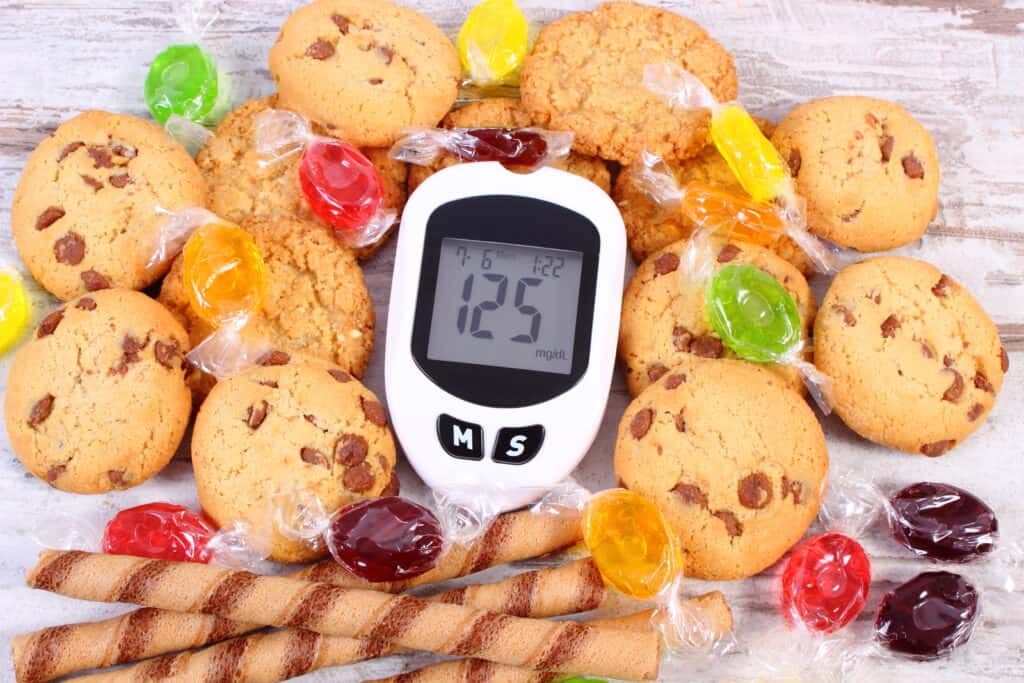
Cutting back on sugar can be hard, but the right tips make it possible. "Sugar detox" is a popular label, not a medical treatment. Your kidneys and liver already clear waste, and cutting sugar does not remove toxins. What helps is eating less added sugar. The NHS limit for free sugars is 30g a day for adults (about 7 sugar cubes), and WHO advises under 10% of energy from free sugars, with under 5%, roughly 25g, giving further benefit. This guide covers ways to cut your sugar intake and manage cravings.
Restful sleep and daily exercise make cutting back easier. So does getting your sugar from whole foods.
Support from friends and family helps, and so does learning where sugar hides in processed foods. Check with your GP first if you have diabetes. People who take insulin or sulfonylureas such as gliclazide or glimepiride can get low blood sugar if they miss meals or eat less carbohydrate. If you are pregnant, ask your midwife or GP before you change your diet. The NHS advises a varied diet and a folic acid supplement. If thinking about food or sugar takes over your day, you binge eat or you restrict food, see your GP. Beat's helpline is free on 0808 801 0677 in England, 3pm to 8pm on weekdays.
Set a Timeframe and Make Behavioral Changes
Establishing a specific timeframe for quitting refined sugars, such as 30 days, can help you stay focused on your goal and make it easier to track progress. Over the designated timeframe, pinpointing and substituting the stimuli that prompt sugar desires is the key to sticking with it.
Identify Emotional or Environmental Triggers for Sugar Cravings
Becoming aware of the emotional or environmental factors that contribute to your sugar habit helps you cut back. Common triggers include stress, boredom, social events, or even certain times of the day. Keep a journal where you note down when cravings occur along with any corresponding emotions or situations. This will allow you to recognize patterns and develop strategies for managing these triggers more effectively.
Replace Unhealthy Habits with New Routines
- Create new routines: If you're used to having dessert after dinner every night, try replacing this habit with something else like going for an evening walk or enjoying a cup of unsweetened tea.
- Avoid sugary foods at home: To prevent temptation from sneaking up on you while you cut back, remove all sugary foods from your pantry.
- Eat mindfully: Practice mindful eating by savoring each bite slowly without distractions like watching TV or scrolling through social media.
Knowing your triggers and swapping habits for new routines makes it easier to cut your sugar consumption.
Swap Sugary Drinks for Healthier Options

Replacing sugary drinks like soda with healthier alternatives such as sparkling water, unsweetened herbal tea, or plain water can drastically reduce sugar intake and keep you hydrated.
Choose Sparkling Water Instead of Soda
Sodas are loaded with added sugars and empty calories, which contribute to weight gain and other health issues. Switching to sparkling water offers an alternative to sugary sodas, providing a bubbly beverage without the extra sugar. Moreover, there are numerous naturally flavored versions available that don't contain added sugars or artificial sweeteners.
- Tip: Try adding a splash of fruit juice or a slice of lemon to your sparkling water for extra flavor without relying on sugary additives.
Opt for Unsweetened Herbal Teas Over Sweet Beverages
Sugary beverages like fruit juices and sweetened teas can also add a lot of sugar, which raises the risk of diabetes and heart disease. The NHS suggests limiting fruit juice and smoothies to one 150ml glass a day. Unsweetened tea and herbal tea give you hydration and flavor without sugar.
- Tip: If you prefer your tea slightly sweetened, try stevia, which has no calories, or a small amount of honey, which still counts as free sugar.
By making these simple swaps in your beverage choices, you can cut your sugar intake a lot. Remember to drink plenty of water throughout the day to stay well-hydrated. The NHS recommends 6 to 8 cups or glasses of fluid a day.
Increase Your Intake of Healthy Fats
Healthy fats can help you feel full, which may make cravings easier to manage. Include foods rich in omega-3 fatty acids, monounsaturated fats, and polyunsaturated fats in your diet during the detox process.
Incorporate Avocados, Nuts, and Seeds into Meals
Avocados are a beneficial source of monounsaturated fats that can help to keep one feeling full and content during the detox. Add avocado slices to salads or sandwiches for an extra boost of nutrition. Similarly, nuts like almonds, walnuts, and pistachios contain heart-healthy unsaturated fats and help you feel full. Snack on a handful of nuts or sprinkle them over yogurt for added crunchiness.
Cook Using Olive Oil or Coconut Oil
Olive oil is known for its numerous health benefits due to its high content of monounsaturated fat which may help with blood sugar levels. Use olive oil as a base when cooking vegetables or making salad dressings instead of using processed vegetable oils with unhealthy trans-fats. Coconut oil is another cooking option. WHO advises keeping saturated fat to 10% of energy or less, so use any cooking oil in moderation.
- Eat more fish: Fish such as salmon and mackerel are excellent sources of omega-3 fatty acids which play a role in brain function.
- Add chia seeds: Chia seeds are packed with fiber and protein along with healthy fats that can help keep you full. Add them to smoothies, oatmeal, or yogurt for an extra nutritional boost.
- Include flaxseeds: Flaxseeds are another source of omega-3 fatty acids and fiber, as this nutrition overview explains. Grind flaxseeds and add them to your meals for added health benefits.
These healthy fats can help curb sugar cravings. Keep portion sizes in mind.
Satisfy Sweet Cravings With Fresh Fruit
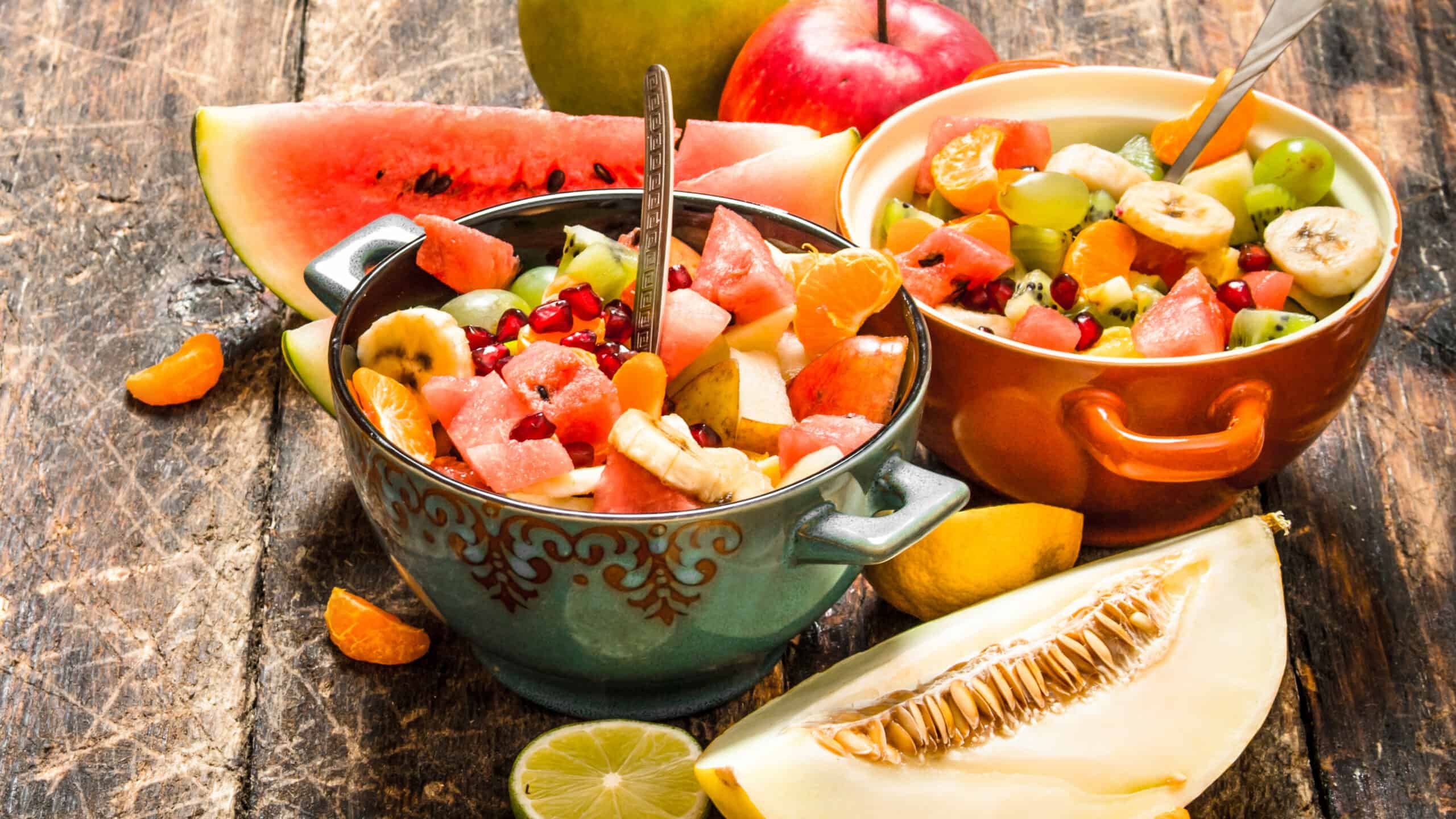
When craving something sweet during your detox period, opt for fresh fruits instead of sugary desserts. Whole fruit contains natural sugars along with fiber, vitamins and minerals. If you have diabetes, ask your diabetes team how much fruit suits you.
Snack on Berries or Apple Slices When Desiring Sweets
When the urge for sugar strikes, skip the candy bar or cookie and try snacking on antioxidant-rich berries like blueberries, strawberries, or raspberries. Alternatively, apple slices sprinkled with cinnamon make a delicious and nutritious treat that can curb cravings without derailing your sugar detox plan. These healthier options provide fiber and other essential nutrients while keeping added sugars at bay.
Create Fruit-Based Desserts Like Banana Ice Cream
For a healthier alternative to sugary desserts, try making fruit-based recipes like homemade banana ice cream. For example, blend frozen bananas in a food processor until they reach an ice cream-like consistency - this simple recipe creates a creamy dessert that's naturally sweetened by the bananas themselves. You can also experiment with adding other fruits such as mangoes or strawberries to create different flavors of homemade banana ice cream.
Fresh fruit lets you cut sugar intake while still enjoying sweet flavors.
Enough Protein at Breakfast
Starting your day with sufficient protein can help you feel full for longer, which may mean fewer sugary snacks. Including high-quality protein sources like eggs, Greek yogurt, or a protein shake in your morning meal can help with sugar cravings.
Prepare an Omelette with Vegetables
An omelette loaded with vegetables is not only rich in proteins but also provides essential vitamins and minerals to start your day. Spinach, bell peppers, mushrooms and tomatoes all work well and keep you full until lunchtime.
Make a Protein-Packed Smoothie
A smoothie made with ingredients like Greek yogurt or plant-based protein powder offers an easy way to incorporate more proteins into your diet while enjoying something that tastes sweet without added sugars. Add some leafy greens like kale or spinach along with frozen berries for natural sweetness and antioxidant benefits. This combination gives you protein, fiber and sweetness without added sugar.
- Tips:
- Experiment with different combinations of fruits and vegetables to find the flavors you enjoy most.
- Use unsweetened almond milk or coconut water instead of fruit juice as the base liquid for lower-sugar options.
- Add chia seeds or flaxseeds for additional fiber content which aids digestion and promotes satiety.
Plan Balanced Meals and Sugar-Free Snacks
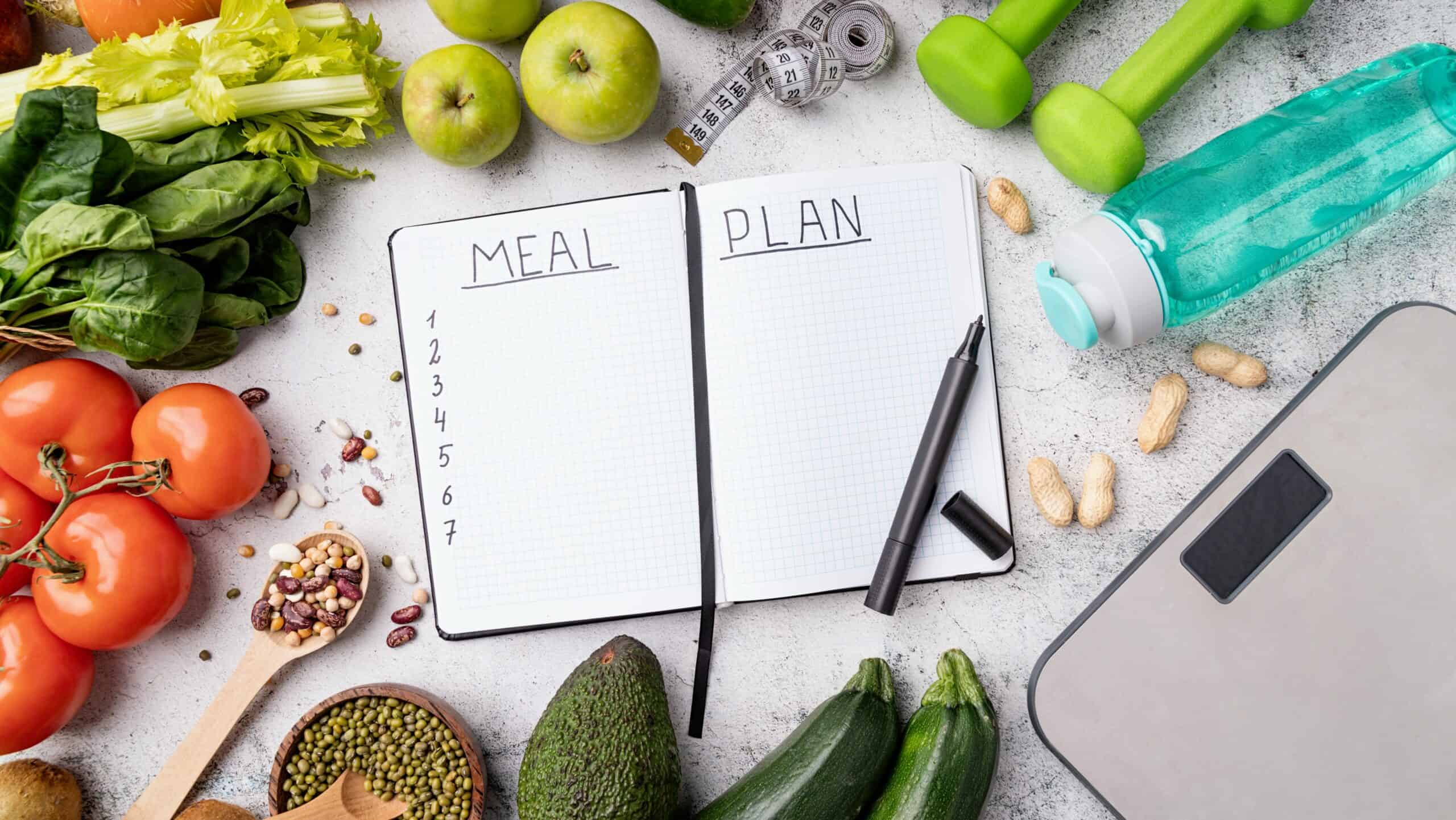
To keep hunger and cravings manageable, plan to eat three balanced meals along with one to three sugar-free snacks per day. Ensure each meal includes lean proteins, healthy fats, complex carbohydrates, and plenty of fiber-rich vegetables.
Create Weekly Meal Plans for Consistency
Weekly meal plans help you stay on track. Planning ahead with weekly meal plans can make grocery shopping easier and help you maintain a balanced diet. Focus on whole foods such as fruits, vegetables, lean meats, or plant-based proteins like beans or tofu instead of processed items that may contain added sugars.
- Breakfast: Greek yogurt with berries and chia seeds, or an omelette with spinach and avocado.
- Lunch: Grilled chicken salad loaded with colorful veggies or a quinoa bowl topped with roasted sweet potatoes and black beans.
- Dinner: Baked salmon served alongside steamed broccoli or zucchini noodles tossed in pesto sauce.
Stock Up on Sugar-Free Snack Options Like Nuts or Hummus
Keep healthy snacks handy for when hunger strikes between meals. They keep you satisfied without the blood glucose spikes that come with cookies or candy bars. Some sugar-free snacks:
- Raw nuts and seeds (almonds, walnuts, pumpkin seeds)
- Fresh fruit paired with a handful of nuts or nut butter
- Hummus served with sliced veggies like bell peppers or cucumber
- Plain Greek yogurt topped with cinnamon and berries
- Snack bars made from whole food ingredients without added sugars, once you have checked the label.
Practice Self-Care During Detox

Cutting back on sugar can be hard both physically and mentally. Get enough sleep, stay active and manage stress through mindfulness techniques or meditation practices.
Prioritize Restful Sleep Every Night
Adequate sleep supports overall well-being. Aim for 7-9 hours of quality sleep every night to support your body's natural healing processes and maintain optimal energy levels throughout the day. Establish a consistent bedtime routine that includes relaxation techniques such as deep breathing exercises or reading before bed.
Engage in Daily Exercise Routines
Regular physical activity can help with weight. NHS guidance for adults is at least 150 minutes of moderate-intensity aerobic activity a week, or 75 minutes of vigorous activity, plus muscle-strengthening activity on at least 2 days. Brisk walking, swimming and cycling all count. Strength training such as lifting weights or practicing yoga can help build muscle.
Nurture Your Mental Health Through Mindfulness Practices
Mindfulness practices like meditation or deep-breathing exercises can ease stress, a common trigger for sugar cravings. Set aside time each day for mindfulness activities to help you stay present, focused, and in control of your sugar intake. You can also explore other stress-relief techniques such as journaling or engaging in creative hobbies.
Stay Well-Hydrated Throughout the Day
Drinking water is essential for overall health. The NHS recommends 6 to 8 cups or glasses of fluid a day, and more in hot weather or when you are active. Bring a refillable water container with you wherever you go as an indication to drink plenty of liquids.
Stick With Unrefined Sugars From Whole Foods
The sugars in whole fruit come with fiber and are not counted as free sugars. Honey and maple syrup are different: WHO counts them as free sugars, so limit them like table sugar.
Sweeten dishes using honey or maple syrup sparingly
Instead of white sugar or artificial sweeteners, try honey or maple syrup to add a touch of sweetness to your meals. Both offer distinct flavors and small amounts of minerals and plant antioxidants, but they are high in sugar and calories and count towards your free sugar limit, so use them sparingly.
Focus on nutrient-dense foods containing natural sweetness
- Fruits: Fruits like berries, apples, oranges, and bananas provide natural sugars along with vitamins and fiber which can help satisfy your sweet tooth.
- Dates: Dates are naturally sweet and contain fiber, but they are a concentrated source of sugar, so keep portions small. They make a great addition to smoothies or homemade energy bars.
- Sweet potatoes: Sweet potatoes not only taste delicious but also offer complex carbohydrates and fiber. Try roasting them with cinnamon for a satisfying dessert alternative.
- Cacao nibs: For a chocolate fix without the added sugar, opt for cacao nibs. These crunchy bits can be sprinkled on yogurt or oatmeal.
Support From Friends & Family

A strong support system helps with any lifestyle change. Share your goals with friends and family who can encourage you and keep you accountable. Enlist their help when facing challenges related to quitting sugar.
Communicate Openly About Your Detox Experience
Talking about your sugar detox experience with loved ones can make a significant difference in staying committed to your plan. Be honest about the difficulties you face during this process, such as withdrawal symptoms or emotional struggles tied to sugar cravings. Sharing these experiences not only helps you feel understood but also allows others to offer valuable advice or simply lend an empathetic ear.
Join Online Forums or Social Media Groups Focused on Reducing Sugar Intake
- Sugar Detox Challenge Groups: Many online platforms host regular challenges where participants commit together towards specific health goals like cutting out added sugars from their diet over a set period of time (e.g., 30 days). These groups often include meal plans, expert guidance, and peer-to-peer support that can help a lot.
It's normal to experience setbacks or cravings along the way; what matters most is staying committed to your goals and seeking support when necessary.
Educate Yourself About Hidden Sugars

Sugar hides in everyday foods. Read food labels and ingredient lists carefully to identify sources of added sugars in products like salad dressings, sauces, or packaged snacks.
Learn Common Names for Added Sugars on Labels
Added sugar goes by many names on food labels. Some common ones:
- High-fructose corn syrup
- Dextrose
- Maltose
- Sucrose
- Anhydrous dextrose
- Fruit juice concentrate
- Cane sugar
Avoid Processed Foods With High Amounts of Hidden Sugars
Avoid processed foods with a lot of hidden sugar. Replace them with whole foods like fresh fruit and vegetables that have no added sugar.
To spot hidden sugars:
- Check the ingredients list: If any form of added sugar appears within the first few ingredients listed or multiple times throughout the list, this indicates a higher concentration.
- Look at the nutrition facts panel: check the sugars figure and the ingredients list together.
- Check "low-fat" or "fat-free" items for added sugar too.
Frequently Asked Questions Sugar Detox Tips
What is the best way to detox your body from sugar?
Set a timeframe, change your habits, swap sugary drinks for healthier ones, eat more healthy fats, satisfy sweet cravings with fresh fruit, eat enough protein at breakfast, plan balanced meals and snacks, look after yourself and get support. Learn where sugar hides in foods and focus on whole foods with natural sweetness.
How long does it take to detox your body from sugar?
No study gives a standard timeline for cutting back on sugar, and people vary a lot. Some report headaches, tiredness or irritability in the first days. If you feel unwell, see your GP.
What is the hardest day of sugar detox?
There is no standard hardest day. Some people report headaches, tiredness, irritability and strong cravings in the first few days after cutting back, and the experience varies with how much sugar you ate before. If symptoms are severe or last, see your GP.
What are the stages of sugar detox?
- Withdrawal: Days 1 to 3; some people report headaches, fatigue & irritability
- Coping: Days 4-7; managing cravings through healthier alternatives and self-care practices
- Balancing: Days 8-14; stabilizing energy levels & mood while establishing new habits
- Maintenance: Beyond Day 15; continue with a balanced, low-sugar lifestyle. These stages are a suggested plan, not a medical timeline.
Conclusion
The main steps are to identify emotional triggers for sugar cravings, swap sugary drinks for healthier options, eat more healthy fats and protein, plan balanced meals and snacks, and look after yourself.
Reducing sugar intake is gradual and takes commitment. Support from friends and family, knowing where sugar hides in processed foods, and getting your sweetness from whole foods will help. Use honey and maple syrup sparingly.
Explore Related Retreats & Guides
Want structured support to reset your diet? Explore detox retreats and the best detox centers on Koh Samui.