If you’ve searched for the “fastest way to flush toxins,” here’s the honest answer: your body already has a remarkably effective detox system. Your liver, kidneys, gut, skin and lungs work around the clock to neutralise and remove waste — and no juice, tea or cleanse “flushes toxins” faster than these organs already do. Most commercial “detox” products have no evidence behind them, and a few carry real risks. What you can do is support those organs so they work at their best. This guide covers what genuinely helps — and the popular “detox” claims worth ignoring.
Your Body Already Detoxifies Itself
“Detoxification” isn’t something you buy — it’s something your body does continuously. Several organs share the work:
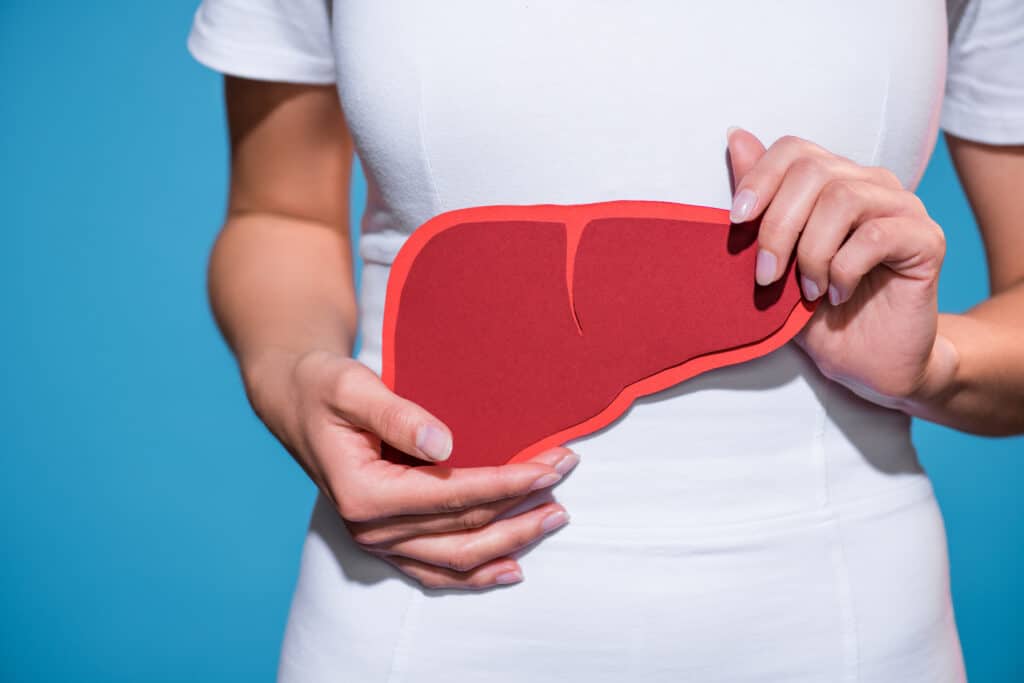
- Liver — your primary filter, chemically converting harmful compounds (including alcohol and the by-products of normal metabolism) into substances your body can safely excrete.
- Kidneys — filter your blood around the clock, removing waste through urine.
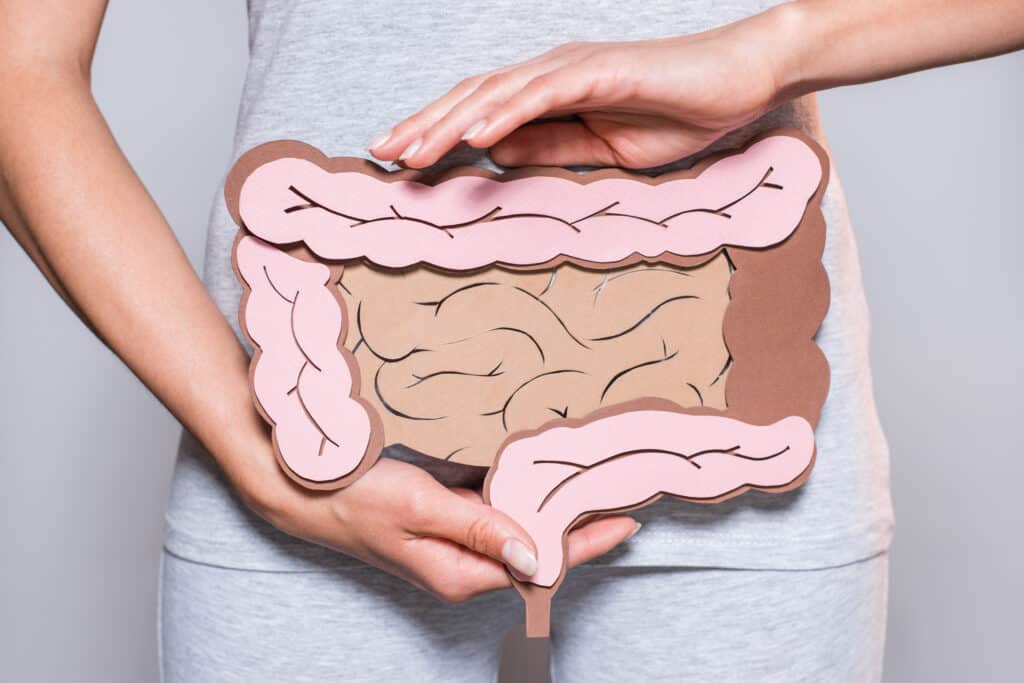
- Gut — clears waste and, with a healthy microbiome, neutralises many unwanted compounds before they’re absorbed.
- Skin, lungs and lymphatic system — round out the process through breath, sweat and immune activity.
When people feel “toxic” — sluggish, bloated, foggy — the cause is usually poor sleep, too much alcohol or ultra-processed food, dehydration or stress, not a build-up your organs can’t handle. The fix isn’t a flush; it’s removing the load and supporting the organs that do the work.
The “Detox” Myth: What Doesn’t Work
The wellness market is full of products promising to “flush toxins,” usually without ever naming which toxin. The evidence is thin to non-existent, and some options can do harm:
- Juice cleanses and “detox” teas — often just low-calorie fasting. Many “detox” teas contain laxatives, which cause dehydration and electrolyte imbalance, not detoxification.
- Colon cleanses and colonic irrigation — no proven detox benefit and a real risk of cramping, dehydration and, rarely, bowel injury. See our honest look at colon cleansing risks and alternatives.
- Detox foot pads, patches and “ionic” foot baths — the discolouration is a chemical reaction, not toxins leaving your body.
- “Flush toxins in 24 hours” plans — your organs already run continuously; there’s no switch to speed up.
If a product promises a fast, dramatic “flush,” treat that as a reason for caution, not excitement.
What Actually Supports Your Detox Organs
The genuinely effective approach is unglamorous and mostly free: give your liver, kidneys and gut what they need, and remove what gets in their way.
Eat whole foods and plenty of fibre
Vegetables, fruit, legumes and whole grains supply the fibre that keeps digestion moving and feeds a healthy gut. Cruciferous vegetables — broccoli, cabbage, Brussels sprouts — in particular support the liver’s own enzyme pathways.
Stay well hydrated
Your kidneys need adequate water to filter waste efficiently. Plain water does the job — you don’t need it infused with anything special.
Move your body regularly
Exercise improves circulation, supports a healthy metabolism and moves lymph (which has no pump of its own). It also improves sleep and mood — both of which affect how well you recover.
Protect your sleep
Deep sleep is when the brain clears metabolic waste. Chronic sleep deprivation undermines nearly every system that keeps you well, so consistent, quality rest does more than any cleanse.
Go easy on alcohol, smoking and ultra-processed food
The single most useful “detox” is reducing the load your liver has to process in the first place. Cutting back on alcohol, avoiding smoking and limiting ultra-processed foods gives your organs less to clean up.
Support your gut
A varied, fibre-rich diet — and, for some people, probiotic foods like yoghurt, kefir and fermented vegetables — helps maintain the gut barrier that keeps unwanted compounds out of your bloodstream.
A few extras with modest evidence
Some foods support the process without “flushing” anything: antioxidant-rich berries and leafy greens may help protect cells from oxidative stress, and unsweetened green tea is a fine swap for sugary drinks — though the NIH notes the evidence for most of its claimed benefits is inconclusive. Think of them as support for a system that’s already working — not a reset button. Slow, mindful breathing exercises can also ease the stress that often drives us toward quick-fix “cleanses” in the first place.
Honest Answers to Common “Detox” Questions
How long does it take your body to remove toxins?
It never stops — your liver and kidneys process waste continuously, every hour of every day. There’s no separate “detox period” to complete; there’s only how well you support the ongoing process.
What’s the quickest way to remove toxins from your body?
There’s no shortcut that beats your own organs. The fastest real improvement comes from drinking water, sleeping well, moving, and stopping whatever is adding to the load — alcohol, smoking, ultra-processed food.
Can I detox in 24 hours or overnight?
No plan “detoxes” you overnight, but a single good day helps: hydrate, eat vegetables and fibre, skip alcohol, move your body and get a full night’s sleep. You’ll likely feel better — because you’ve removed the load, not flushed a toxin.
What’s the best drink to “flush” toxins?
Water. It’s what your kidneys actually use. Green tea and other unsweetened drinks are fine, but skip the sugary “detox” concoctions and laxative teas — they don’t remove toxins and can leave you dehydrated.
The Bottom Line
You can’t buy or rush detoxification — you already own the best system for it. Eat whole foods, drink water, move, sleep, and ease off the things that overload your liver, and you’ll support your body far more effectively than any cleanse. Treat “flush toxins fast” promises with healthy scepticism, and put your energy into the habits that genuinely work.
Explore Related Retreats & Guides
Prefer a supported reset built on healthy habits — nourishing food, movement and rest rather than a “flush”? Browse cleansing retreats and detox retreats.