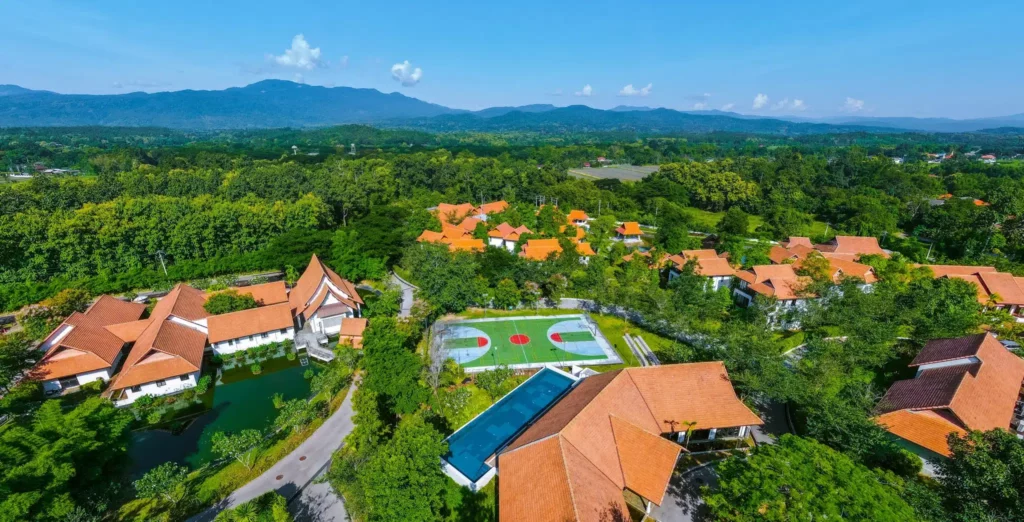
Recovering far from home can make the early weeks easier. The people, places and habits that kept you drinking or using stay behind, and Chiang Mai offers a calm northern setting for residential treatment.
The rehab and recovery centres in Chiang Mai differ in the level of care they offer. Most are residential treatment centres, and at least one is a smaller step-down house meant for after primary treatment, not instead of it. Match the level of care first, then ask about medical detox, licensing and aftercare before comparing rooms or scenery.
Alcohol withdrawal can be dangerous and some people need medically monitored detox, so get an independent assessment before you fly. In an emergency, contact local emergency services.
Best if you need detox and mental-health care in one place. The Dawn has its own detox unit, runs separate tracks for addiction and mental health, and keeps registered nurses on site day and night under psychiatrists. That puts it at the medical end of Chiang Mai’s options, a long way from a step-down house like Next Chapter. Its CARF accreditation can be checked with CARF.
Best for a set four-week programme. The Cabin follows a clear sequence: assessment, medical withdrawal if you need it, four weeks of residential therapy with 24-hour supervision, then aftercare. It suits people who want structure from the first day. Get an itemised quote, since the starting price may leave things out, and ask which substances it can safely manage.

Best for a very small house with hospital back-up. Jintara keeps about ten adults in residence, each in a private room, with nurses awake on site around the clock and psychiatrist-led detox plans. It works with Bangkok Hospital Chiang Mai and Chiang Mai Ram for health checks and emergencies. Ask whether the psychiatrist is on site or visits, and which withdrawal cases it will accept.
Best for onsite clinics in a small setting. The Hills has about 20 beds plus its own medical and mental-health clinics, 24-hour nursing and a full-time psychiatrist. Like Jintara, it keeps numbers small. Ask which named clinicians will actually treat you, whether a psychiatrist is on site every day, and how a transfer to hospital works.
Best for addiction and mental health treated together. The Beekeeper House is led by a senior Thai psychiatrist and treats both, with a detox area on site, 24-hour nursing, individual and group therapy and app-based aftercare. It takes international admissions on a rolling basis. Its accreditation and insurer logos are its own claims, so ask whether your insurer will actually pay.
Best as a next step after primary treatment. Next Chapter is a recovery house, not a rehab: five private ensuite rooms, counselling, group sessions, exercise and help with daily life. It builds on work already done in treatment, so it is the wrong place for withdrawal, overdose risk or a mental-health crisis. Ask about overnight staff, drug testing and how relapse is handled.

Conclusion
For medical withdrawal, compare The Dawn, The Cabin, Jintara, The Hills and The Beekeeper House on overnight staffing and hospital links. Next Chapter Recovery House suits someone who has finished primary treatment and is stable, not anyone facing acute withdrawal.
Before you pay, ask who is on site overnight, how hospital transfer works and what the full quote covers. Arrange a clinician and a continuing-care plan at home before you travel. Alcohol withdrawal can be dangerous, so never stop suddenly on your own.
FAQs About Rehab and Recovery Centers in Chiang Mai
What should I do in an overdose, severe withdrawal or mental-health emergency?
Call local emergency services or go to the nearest emergency department. Do not wait for an enquiry form or board a flight while medically unstable. Overdose, severe alcohol or sedative withdrawal, suicidal thoughts, psychosis, seizures, severe confusion and breathing problems all need urgent help.
What is the difference between primary rehab and a recovery house?
Primary rehab is structured treatment with assessment and therapy, and it may include medical withdrawal care. A recovery house supports daily life and continued recovery once you are stable or have finished primary treatment. It is not a substitute for medical detox or acute psychiatric care.
How can I verify a Thai rehab licence or accreditation?
Ask for the facility’s legal name, licence number and what the licence covers, then confirm it with the Thai authority that issued it. Check any accreditation with the accreditor directly. Do the same for the doctors and nurses, because a logo on a website is not proof.
Does every Chiang Mai rehab provide medical detox?
No. Ask whether withdrawal is managed on site, in a clinic or at a hospital, who is physically there overnight and who prescribes medication. Detox can be necessary when withdrawal is dangerous, but it is only a first step and not full treatment.
How much does rehab in Chiang Mai cost?
There is no single range, because the total depends on the room, detox, medication, psychiatric care, tests, hospital visits and aftercare. Ask for an itemised written quote with deposit, early-discharge and refund terms, and check cover with your insurer directly.
What is the success rate of rehab?
Be careful with any percentage, because programmes count success in very different ways. Finishing a programme is not the same as staying well afterwards. Ask how the figure is measured, and focus on the level of care, medication access, family involvement and a plan for support at home.
This is a manually curated list about the Best Rehab and Recovery Centers in Chiang Mai, managed by the BrowseWellness editorial team.
We want our lists to be useful and accurate. If you have an established business that deserves to be listed here, please use this form to let us know.