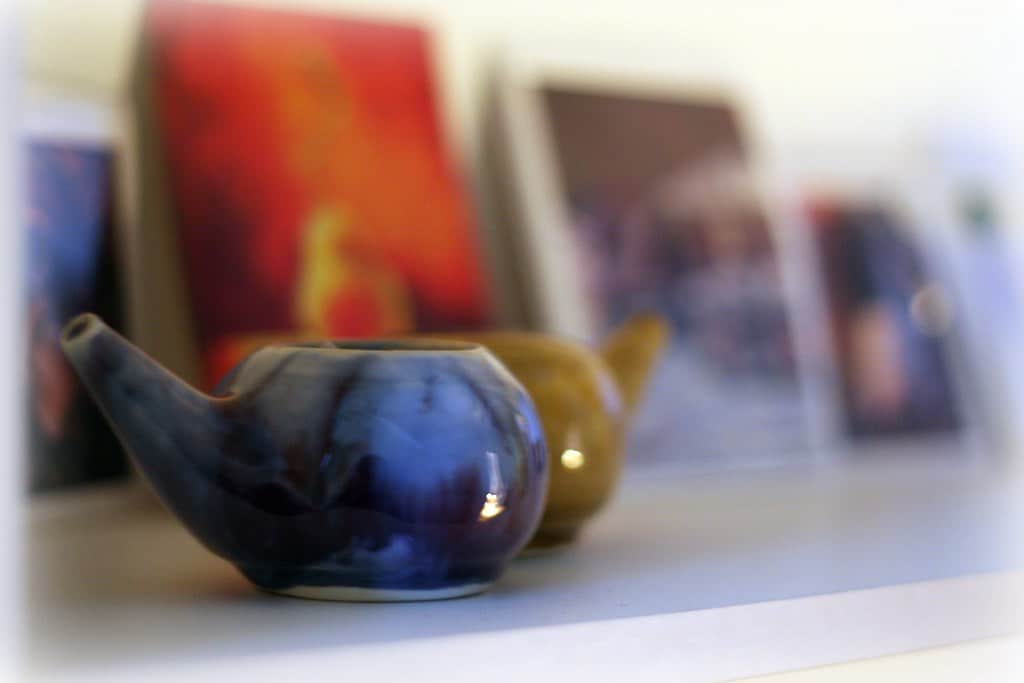
Neti pots are a type of nasal irrigation device used to flush out mucus and debris from the nasal passages. The practice comes from Ayurvedic and yoga tradition, where it is called jala neti, and saline rinses are now also used in Western medicine for nasal symptoms. Neti pots come in different materials, such as ceramic, plastic, and stainless steel, and can be found in various sizes and shapes.
When choosing a neti pot, it's essential to consider the material it's made of, as well as the size and shape. Check the listing for the material: some plastic pots are labeled BPA-free, and ceramic and porcelain pots can chip if dropped. The size and shape of the neti pot can also affect comfort during use.
We have not tested these products hands-on. This comparison uses manufacturer specifications and Amazon listings checked in November 2026, and it covers six nasal rinse devices, one of them an electric irrigator. Most are plastic bottles or pots, and one is porcelain.
Use safe water. The FDA and CDC both say tap water straight from the tap is not safe for rinsing the nose, because it is not filtered or treated enough to remove germs. Use distilled or sterile water from a shop, or tap water that has been boiled for one minute (three minutes above 6,500 feet) and left to cool. Tap water can carry amebas such as Naegleria fowleri, which can cause a brain infection that is nearly always fatal if the water goes up the nose. The risk is rare, but people have died after rinsing with tap water. Wash the device after each use and let it dry.
Who should check first. The FDA says people with a weakened immune system should talk to a health care provider before using any nasal irrigation system, and parents should ask a paediatrician before using one on a young child. See a doctor if symptoms get worse or come with fever, nosebleeds or headaches. After rinsing, get medical help straight away for headache, fever, confusion or vomiting, as the CDC advises.
Best Neti Pots
Saline rinsing may ease nasal symptoms for some people, but it is not a replacement for medicines a doctor has prescribed. A 2015 Cochrane review of five small trials (749 people, mostly children) found possible relief of symptoms in acute respiratory infections, with low confidence in the result. A 2016 Cochrane review of two trials in 116 adults with chronic rhinosinusitis could draw no firm conclusions for practice, and 23 percent of people in the saline group had side effects, including nosebleeds. Below are six options sold on Amazon, with the details each listing gives.
SinuCleanse Soft Tip Neti-Pot Nasal Wash Irrigation System

The SinuCleanse Soft Tip Neti Pot Sinus Rinse System is listed at 4 x 3 x 6 inches and 5.92 ounces, with 30 saline packets in the box.
Pros
- Uses a gentle flow of gravity to deliver all-natural saline solution into the nasal passages with the soft tip creating a comfortable nasal washing-irrigation experience
- Includes 30 all-natural, pharmaceutical grade, preservative-free, buffered saline packets for isotonic or hypertonic use
- The listing says it is meant to soothe nasal symptoms linked to colds, allergies, sinusitis, rhinitis and dry air, and describes the pot as BPA and latex free
Cons
- Salt water may taste unpleasant at first
- The BPA-free plastic body may feel lighter and less solid than a ceramic pot
- Some users may find it hard to get the water and mix right at first
Saline rinsing moistens the nose and can wash out mucus and irritants. The listing says the soft tip is designed to sit gently against the nostril.
The SinuCleanse All-Natural Pharmaceutical Grade Pre-Mixed Saline Packets are made in the USA in an FDA Registered Drug Facility. The listing describes the packets as preservative-free and buffered, for isotonic or hypertonic use. Mix them only with distilled, sterile or boiled and cooled water.
Overall, the SinuCleanse is a lightweight plastic pot with a soft tip and a month of packets in the box.
NeilMed Classic Porcelain Neti Pot

The NeilMed Classic Porcelain Neti Pot is listed at 2.95 x 4.04 x 7.25 inches and 1.04 pounds. It comes with 30 premixed packets of pH balanced USP grade sodium chloride and sodium bicarbonate mixture, according to the listing.
Pros
- The listing calls NeilMed the number one maker of large volume saline nasal wash products, which is the seller's own claim
- The listing describes all-natural ingredients and says the packets should not burn or sting
- The listing describes it as safe, simple and effective
Cons
- May be smaller than some other pots
- Porcelain can chip if dropped, so check the glaze before each use
- Spout may be thick for some nostrils
Saline rinsing can wash mucus and irritants out of the nose.
The pot may be smaller than some people expect, and the spout may be thick for some nostrils. Porcelain can chip if dropped, so check it for chips and cracks before use, and wash and dry it after each rinse.
Maoever Neti Pot Sinus Rinse Bottle Nose

The Maoever Neti Pot is a 300 ml rinse bottle, listed as BPA-free polypropylene, with 30 saline packets and a sticker thermometer.
Pros
- The listing describes a valve that controls the flow without squeezing the bottle.
- The listing describes a steady, gentle flow.
- The listing mentions a one-way anti-backflow valve meant to stop used water re-entering the bottle.
Cons
- Relief from a rinse may not last long.
- The sticker thermometer gives only a rough guide to water temperature.
- The neti pot may not be suitable for everyone, especially those with certain medical conditions.
The listing says the bottle suits adults and children over 14, while its specification table gives a manufacturer recommended age of 36 months to 3 years. The two disagree, so ask a paediatrician before using any nasal irrigation device on a young child, as the FDA advises. The listing also tells buyers to use boiled, cooled water.
Relief from a rinse may not last long. The sticker thermometer is only a rough guide to temperature, and warm water makes a rinse more comfortable but does not make unsafe water safe. The device may not suit everyone, especially people with certain medical conditions, so ask a doctor if you are unsure.
Overall, the Maoever is a squeeze-free bottle with 30 packets in the box.
Waterpulse Neti Pot Sinus Rinse

The Waterpulse Neti Pot is a 300 ml bottle with 30 saline packets, two tips and a temperature sticker, according to the listing.
Pros
- The maker says the bottle shape follows the structure of the nasal cavity, and describes it as rinsing out mucus and irritants.
- It is meant for rinsing mucus and irritants out of the nose during a cold or allergies.
- The listing describes a patented valve button that gives a steady flow. It names one nozzle for adults and a gentle-mist nozzle for children; ask a paediatrician before using it on a child.
Cons
- It may take some time to get used to using a neti pot if you've never used one before.
- The included nasal wash salt packets may not be enough for regular use, so you may need to purchase additional packets separately.
- Evidence for rinsing in long-lasting sinus disease is limited, so see a doctor about severe or persistent sinus problems.
Saline rinsing may ease a blocked or runny nose for some people. The kit comes with two different tips, one wide-spray nozzle for adults and one gentle-mist nozzle for children. The sticker thermometer is a guide to comfort only: it does not show whether the water is sterile.
NeilMed NasaFlo Neti Pot with 60 Premixed Packets

The NeilMed NasaFlo Neti Pot is listed at 3.81 x 3.88 x 6.25 inches and 8 ounces, and the current listing title says it comes with 60 premixed sinus rinse packets.
Pros
- Moisturises the nose, and the maker markets it for allergy and sinus symptoms
- The maker markets it as no spill, no mess and no stinging
- Free-flowing gravity method
Cons
- The top may be hard to screw on
- May leak if the top is not fitted properly
- Takes some patience to get used to
A neti pot rinses the nose with a saline solution that flows by gravity. It may ease symptoms for some people, but it does not replace medicines a doctor has prescribed.
The top may be hard to screw on, and the pot may leak if it is not fitted properly. It may also take some patience to get used to the sensation of water flowing through your nasal passages.
Follow the maker's instructions carefully to avoid leaks, and use safe water.
Rejoeven Nasal Irrigation

The Rejoeven Nasal Irrigation device is an electric irrigator, listed at 3.94 x 3.15 x 9.45 inches and 1.1 pounds. Amazon showed this as unavailable in November 2026, so check the listing before you rely on these details.
Pros
- Nasal symptoms and congestion: the listing says it can rinse dirt, mucus and other irritants out of the nose. Evidence that nasal rinsing prevents sinus infections is limited.
- 4 modes: the listing names normal, soft, medium and pulse.
- Cordless and IPX7 waterproof: the listing gives a built-in 1400mAh rechargeable battery that it says lasts 21 days after a full charge.
Cons
- May not suit everyone: some people find the sensation of water in the nose uncomfortable. Pulsed or pressurised flow may be more likely to cause irritation, so start on the softest setting.
- Requires Some Effort: Although the Rejoeven Nasal Irrigation is easy to use, it does require some effort and patience to get the best results.
- May not work as well for everyone.
The Rejoeven has four modes that change the flow of water. The listing describes it as cordless and waterproof.
The 280ml water tank is easy to remove, fill, and clean. The listing includes 30 saline packets and says to mix one packet in 280 ml of distilled or pre-boiled water, which matches FDA and CDC advice. It also lists an OLED display.
Buying Guide
When choosing a neti pot, it is important to consider a few key factors to ensure that you are getting the best product for your needs. Here are some features to look for when selecting a neti pot:
Material
Neti pots can be made from a variety of materials, including plastic, ceramic, glass, and stainless steel. Plastic is lightweight and affordable but may not be as durable as other materials. Ceramic and glass are more fragile but can be more aesthetically pleasing. Stainless steel is durable and easy to clean but may be more expensive.
Size
Neti pots come in a range of sizes, so choosing one that is comfortable for you to use is important. A larger pot may hold more water but may also be more difficult to handle. A smaller pot may be easier to use, but may not hold enough water to rinse both nostrils.
Spout Shape
The shape of the spout can also affect your experience with the neti pot. A longer, curved spout can make it easier to control the flow of water, while a shorter, straight spout may be more difficult to use.
Ease of Cleaning
Choosing a neti pot that is easy to clean is important to ensure that it remains hygienic. Look for a pot that can be easily disassembled and cleaned thoroughly. The FDA advises washing the device, then drying the inside with a paper towel or letting it air dry between uses.
Extras
Some neti pots come with additional features, such as a travel case, extra tips or a thermometer sticker. Consider whether these extras are important to you before making your purchase.
By considering these factors, you can choose a neti pot that is right for you and your needs.