6 Best Luxury Rehab Centers in Thailand for 2026

Researched by: Joseph Smith
Updated: July 2026
This is a manually curated list about the Best Luxury Rehab Centers in Thailand, managed by Joseph Smith.
We want our lists to be useful and accurate. If you have an established business that deserves to be listed here, please use this form to let Joseph Smith know.
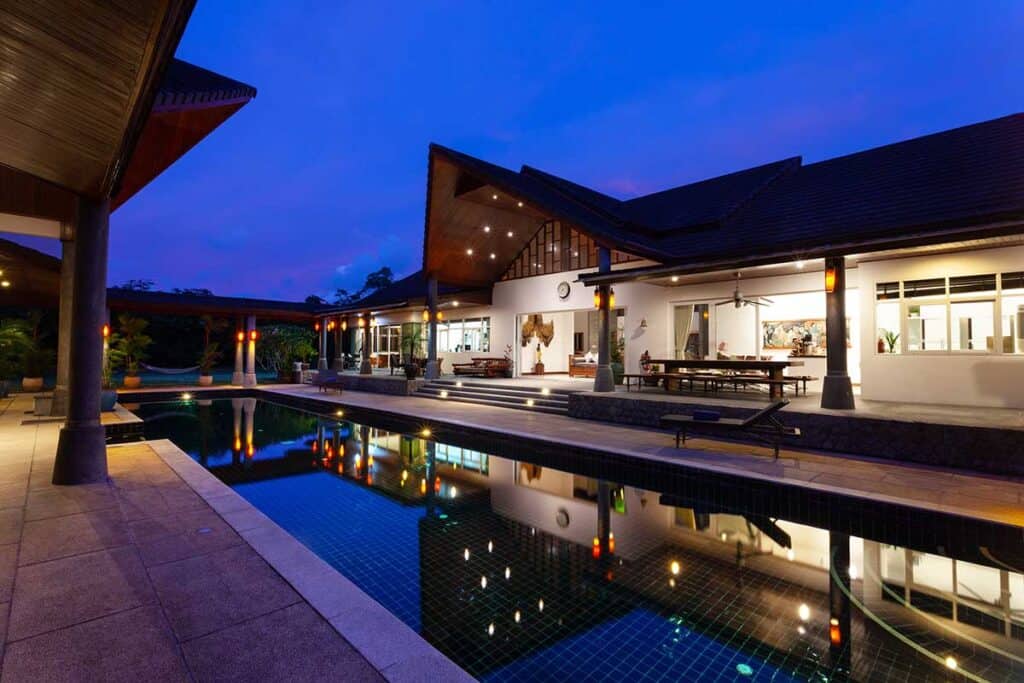
The short answer: The Dawn publishes the clearest current accreditation and dedicated-detox information; The Cabin describes a 24-hour medical-withdrawal pathway; The Hills publishes an onsite clinic and 20-person cap; Miracles Asia offers a current Phuket admissions route; Hope describes a lower-cost longer-stay model linked to a nearby hospital; and The Diamond publishes a named multidisciplinary team in Hua Hin. These are operator-published distinctions, not endorsements or promises of recovery.
Choose clinical capability before luxury. SAMHSA’s quality-treatment checklist recommends checking current facility and practitioner licensing, accreditation, evidence-based care, medication capability, family involvement and continuing support. Ask the issuing body—not only the admissions team—to confirm every licence, accreditation and clinician registration.
Alcohol or sedative withdrawal, overdose and an acute mental-health crisis can require urgent medical care. NIAAA warns that alcohol withdrawal can be life-threatening and that detox alone is not treatment. If someone is in immediate danger, use local emergency services or an emergency department rather than waiting for a directory enquiry. Obtain an independent clinical assessment before flying and confirm whether the centre can safely manage the person’s specific medical, psychiatric and medication needs.

The Dawn Wellness Centre and Rehab Thailand
5, Nong Tong, Hang Dong District, Chiang Mai 50340
Best for the clearest published accreditation and detox scope. The Dawn currently describes separate addiction and mental-health programmes, a dedicated detox unit, 24-hour operation, registered nurses supervised by psychiatrists and private ensuite rooms. Its certification page states that CARF accreditation covers residential detoxification/withdrawal management and integrated residential treatment through 31 January 2027.
Confirm the accreditation directly with CARF and request the current Thai facility licence plus each treating clinician’s registration. Claims that it is the only CARF-accredited centre in Asia, outcome percentages and broad safety assurances are operator assertions. Ask who is physically onsite overnight, which withdrawal risks require hospital care, what TMS or medication would cost and how emergency transfer works.
The Cabin Chiang Mai
9, Khua Mung, Saraphi District, Chiang Mai 50140, Thailand
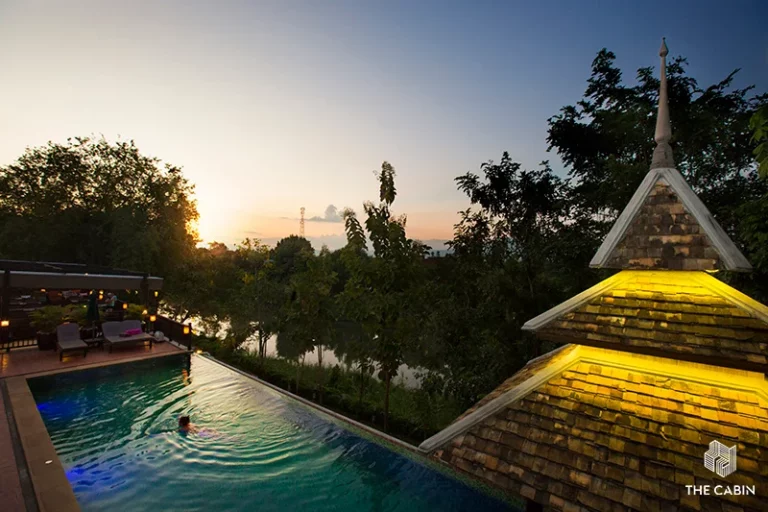
Best for a documented medical-withdrawal pathway and published starting price. The Cabin currently advertises a four-week programme from USD 19,900, an assessment-led medical-withdrawal stage when indicated, 24-hour supervision, residential therapy and aftercare. It also publishes Thai Ministry of Public Health licensing and Healthcare Accreditation claims.
Verify the current licence and accreditation with their issuers and obtain a written, itemised quote. “7,000 successful recoveries,” top-ranking language and insurer logos do not establish a measured success rate or guarantee reimbursement. Ask which doctors and nurses are onsite, what substances can be managed, what triggers hospital transfer, whether medication and external care are included, and what happens if admission is declined.
The Hills Rehab Chiang Mai
296 1, Huai Sai, Mae Rim District, Chiang Mai 50180, Thailand
Best for a small published cohort and onsite clinical infrastructure. The Hills currently describes a 20-bed Chiang Mai centre, onsite medical and separate mental-health clinics, 24-hour nursing, a full-time psychiatrist, medically supervised detox and named clinicians with registration numbers. Its homepage publishes Thai facility licence number 67294 and medical licence number 67564.
One current services page still shows a licence number as “pending, to be confirmed with centre,” so obtain the facility certificate and verify its address, scope and expiry with the Thai authority before paying. Confirm psychiatrist presence, nurse coverage, pharmacy arrangements, emergency hospital transfer, which conditions exceed the centre’s capability and whether every advertised clinician will personally provide care.
Miracles Asia
99/15-18, Pa Klok, Amphur Thalang, Phuket 83110, Thailand
Best for a current Phuket programme and pre-admission assessment. Miracles Asia currently describes a confidential admissions call, review of medical and treatment needs, residential therapy, medical detox when assessed as needed and individual sessions. Its programme materials also describe private accommodation and post-programme support.
The advertised success rate above 85% is an operator claim without a published independent method, denominator or follow-up definition and is not repeated here. Request the current Thai facility licence, names and registrations of the doctor, prescriber, nurses and therapists, overnight staffing, medication and hospital arrangements, outcome methodology, complete fees, insurance requirements and refund terms.
Hope Rehab Thailand
หมู่ 9 Bang Phra, Si Racha District, Chon Buri 20110, Thailand
Best for a longer-stay model with a published external-hospital pathway. Hope currently describes a minimum one-month programme, hospital-supported detox, therapy, trauma work, mindfulness, fitness and stepped accommodation. It publishes Thai Ministry of Health licensing and Asia Pacific Certification Board accreditation claims and says a nearby private hospital supplies medical services and medication.
Hope’s current admissions contract says it is not a hospital and its staff are generally not medical staff. Detox duration, doctor visits and medication may add cost. Verify the facility licence and practitioner registrations, identify the responsible hospital and prescriber, ask who monitors withdrawal onsite, establish emergency-transfer time and costs, and read the non-refundable deposit, room-change and refund terms before committing.
The Diamond Rehab Thailand
8, Soi Mon Mai Hin Lek Fai, Chang Wat, Hua Hin District, Prachuap Khiri Khan 77110, Thailand
Best for a current Hua Hin programme with a named multidisciplinary team. The Diamond currently describes clinical assessment, medically supervised detox, individual and group therapy, wellness activities and continuing alumni support. Its team page names a consultant psychiatrist, clinical supervisor, psychotherapists, addiction counsellors and nurses.
Its cost page says detox medication, hospital visits, some assessments and additional clinician sessions are excluded, while its policies place emergency, hospital and repatriation costs on the client or family. Verify the Thai facility licence and the local authority of every clinician who would treat or prescribe, exactly who is onsite overnight, detox and hospital escalation protocols, insurance exclusions, the relapse-guarantee conditions and all fees in writing.
Conclusion
We retained these six centres because each had a current operator-controlled programme and a working admissions route on 12 July 2026. We removed one parked-domain record and one centre whose expired TLS certificate prevented a safe public enquiry. Inclusion is not a clinical recommendation, regulatory verification or prediction of outcome.
Before paying, request the current facility licence and scope, accreditation record, names and local registrations of the people who will assess, prescribe, provide therapy and cover nights, plus the exact detox setting, medication policy, staff ratios, safeguarding and complaint process. Obtain a written plan for emergency hospital transfer, suicide or self-harm risk, co-occurring conditions, insurance and repatriation. Compare itemised fees, exclusions, deposit and refund rules, family involvement, aftercare and handover to a clinician at home. An independent doctor or addiction specialist should assess whether international residential care is appropriate before travel.
FAQs About Luxury Rehab Centers in Thailand
What should I do in an overdose, severe withdrawal or mental-health emergency?
Use local emergency services or go to the nearest emergency department. Do not wait for a directory form or travel to a residential centre while medically unstable. Alcohol and sedative withdrawal can be life-threatening, and overdose, suicidal intent, psychosis, seizures, severe confusion or breathing problems require urgent assessment.
How can I verify a Thai rehab licence or accreditation?
Ask for the legal facility name, physical address, licence number, scope and expiry, then confirm them with the issuing Thai authority. Check accreditation directly in the accreditor’s current directory. Verify the local registration and role of each doctor, nurse, psychologist, counsellor and prescriber who would treat you; a logo or operator statement alone is not verification.
Does every residential rehab provide medical detox?
No. Ask whether withdrawal is managed onsite, in a licensed clinic or at an external hospital; which substances and risk levels it accepts; who is physically present 24 hours; who prescribes; and when transfer occurs. NIAAA notes that detox may be necessary for dangerous withdrawal but is only a first step, not complete addiction treatment.
How much does luxury rehab in Thailand cost?
There is no reliable single price range. Duration, room, detox, medication, psychiatric care, tests, hospital visits, transport and aftercare change the total. Request an itemised written quote in the billing currency plus deposit, cancellation, early-discharge and refund terms. Confirm insurance coverage directly with the insurer before paying.
What questions should I ask an admissions team?
Ask about licence scope, named clinicians, assessment, medication-assisted treatment, detox and overnight staffing, co-occurring conditions, safeguarding, family involvement, emergency transfer, insurance, all exclusions, outcome measurement, complaints, refunds and aftercare. Request documents and written answers, and have an independent clinician review the plan.
How should I plan continuing care after treatment abroad?
Arrange a named clinician or service at home before travel and obtain consent for records to be shared. Confirm medication supply and prescribing continuity, therapy and peer-support appointments, relapse and crisis plans, family involvement and the overseas centre’s availability after discharge. Recovery support usually continues well beyond residential treatment.